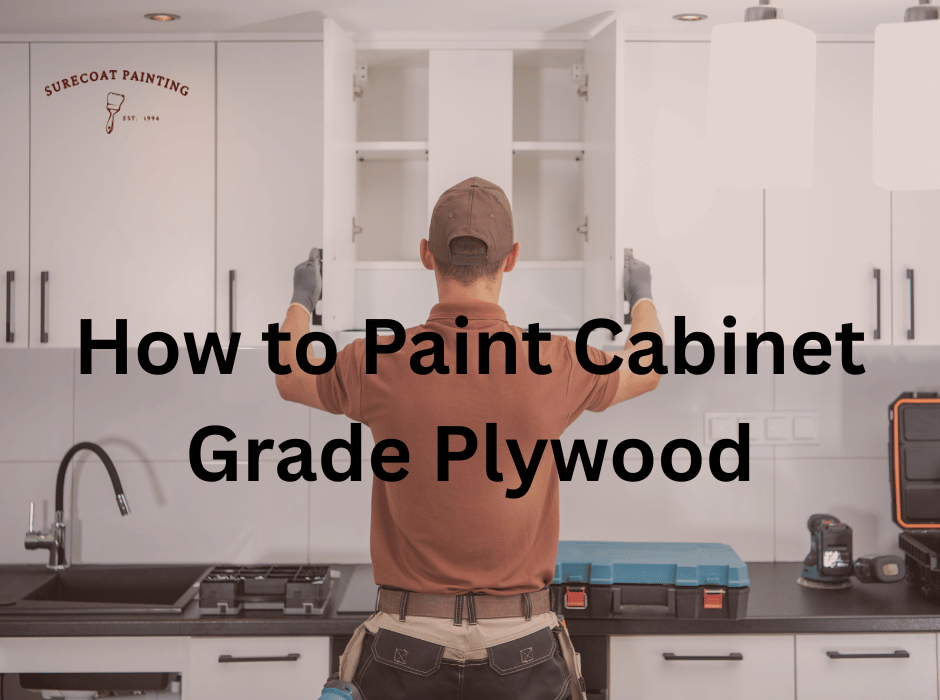
Painting cabinet-grade plywood can give you a smooth, professional-looking finish, but it requires careful prep. In short, you should sand and clean the plywood, fill any voids or knots (especially on the edges), then apply a quality primer, followed by one or more coats of durable paint. By sealing the wood with primer and using a high-grade enamel or cabinet paint, you’ll lock in any knots or tannins and create a hard, easy-to-clean surface.
Prepare the Plywood Surface
First, remove any hardware or loose trim and clean the wood. Vacuum or wipe off all dust and dirt – a tack cloth or damp rag works well. Then sand the plywood thoroughly: start with a medium grit (around 120), then finish with a fine 220-grit to smooth out any roughness. This step evens out the surface so the primer and paint will go on smoothly.
- Fill holes and gaps. Cabinet-grade plywood often has tiny voids or imperfections at the edges. Use a good wood filler or putty to fill any cracks, knots, or holes. Press the filler firmly into the voids with a putty knife and let it dry completely. Then sand those spots flush with the surrounding plywood.
- Sand again. After the filler is dry, sand those areas until perfectly smooth (again ending with 220-grit). Then wipe or vacuum away all sanding dust. As one expert guide notes, “Sand the entire plywood surface, including the repaired areas, using progressively finer grit” and clean off any debris before painting.
At this point your plywood should be flat, clean, and ready for primer.
Apply Primer
Priming is essential for cabinet plywood. A good primer seals the wood fibers and blocks stains, giving your paint something to grip onto. For best results, use an oil-based or shellac-based primer made for cabinets or trim. These primers are designed to bond tightly and to block tannins that can bleed through paint. (Water-based primers are generally less effective at sealing untreated wood and preventing wood layers from swelling or raising.)
- Apply the primer evenly over all surfaces using a brush or roller. A high-quality foam or short-nap roller helps avoid texture. Work the primer into edges and corners.
- Let the primer dry fully, then sand lightly with 220-grit (this knocks down any raised fibers and ensures a silky surface). Wipe off the dust.
- If the plywood was very porous or you want extra assurance, apply a second primer coat and sand it smooth once dry. This double-coating helps guarantee full coverage.
By priming first, you create a uniform, sealed base. As one professional DIY source explains, primers are “very sticky” and form a strong bond under paint. This step is especially important on fresh plywood: it prevents the paint from soaking in unevenly and hides the wood grain or knots so your final coat looks flat and even.
Apply the Topcoat Paint
With primer done, it’s time for the finish coat. For cabinet plywood, choose a high-quality enamel paint or cabinet-grade paint. These paints cure to a hard finish that resists scratches and stains. Many DIY experts recommend satin or semi-gloss enamel (oil-based or modern water-borne urethane/alkyd formulas) because they level out nicely and clean up easily.
- Use at least two coats. Thin, even coats are key. Brush or roll on your paint sparingly (you can also spray if you have the equipment). Between each coat, let the paint dry fully, then sand very lightly (220-320 grit) and wipe the dust off. This smooths out any tiny bumps or dust specks.
- Tools: A high-density foam roller or a fine-nap wool roller will leave fewer roller marks than a thick-nap roller. Some pros also “tip off” with a brush to eliminate bubbles.
- Curing: After the final coat, allow full cure time. Cabinet paint can take several days to harden completely, so avoid heavy use until it’s dry to the touch and hard. In one guide’s experience, even after 24 hours it’s only partly cured – full hardness may take a week or more.
By using a tough enamel and sanding between coats, you’ll achieve a factory-like finish. As a DIY cabinet painter notes, specialty cabinet paints (for example, urethane trim enamels) self-level and cure very hard, giving a professional look
Pro Tips for Success
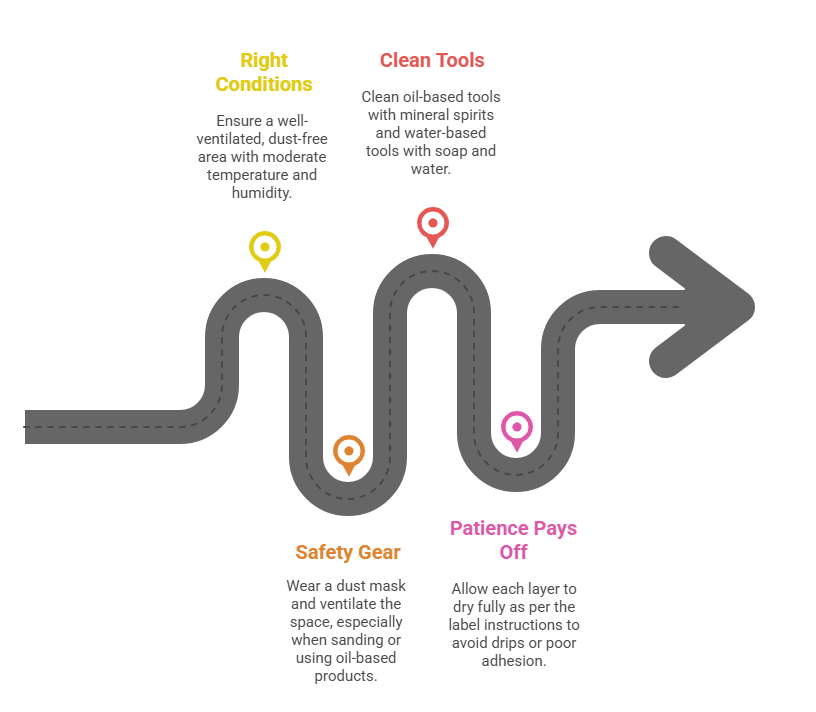
- Work in the right conditions: Paint in a well-ventilated, dust-free area. Moderate temperature and humidity will help the primer and paint dry well.
- Wear safety gear: Especially when sanding and using oil-based products, wear a dust mask and ventilate the space.
- Clean tools promptly: Oil-based primers/paints require mineral spirits for cleanup; water-based tools just need soap and water.
- Patience pays off: Rushing coats can lead to drips or poor adhesion. Let each layer dry fully as per the label instructions.
By following these steps—sand, fill, prime, then paint—you’ll give your cabinet-grade plywood the best chance of a smooth, durable finish. Proper preparation and the right products mean the paint won’t chip or peel, and your cabinets will look sharp and professional for years.
Why Choose Surecoat Painting?
Painting cabinet-grade plywood takes time, patience, and the right products. At Surecoat Painting, we bring years of professional experience to every project, ensuring that your cabinets and wood surfaces receive a flawless, durable finish. Our team uses only premium primers and cabinet-grade paints, combined with expert surface preparation, to deliver results that not only look beautiful but also last for years. Whether you want to refresh your kitchen cabinets, custom-built shelves, or any plywood surface, we have the skill and precision to make it happen.
Get Started Today
Ready to transform your cabinets with a smooth, professional finish? Contact Surecoat Painting today for a free consultation and discover how we can bring new life to your space with expert painting services.